
What to Do with Stale Bread: Safety, Uses, and Storage Tips
Many people have faced the same situation: reaching for a loaf of bread only to find it dry and hard. While it may feel disappointing, stale bread does not always mean it should be thrown away. Understanding what stale bread really is, how to tell if it is still safe, and the best ways to use or revive it can save money, reduce food waste, and even open the door to delicious new recipes.
What Does Stale Bread Mean?
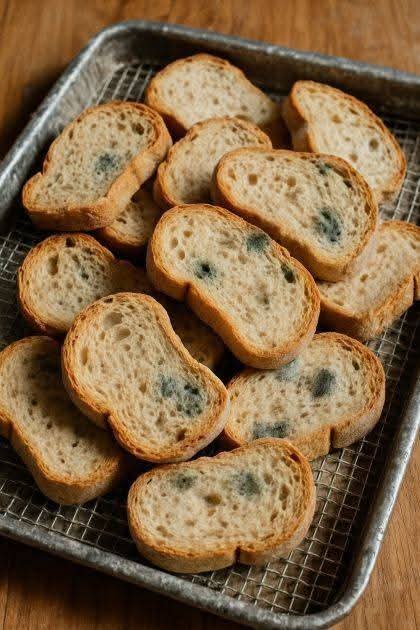
When bread turns stale, it has not spoiled. Staleness is caused by a process called retrogradation, where the starch molecules change and the bread loses moisture. This makes the texture firm or dry. The important distinction is that stale bread is not the same as moldy bread. Mold indicates spoilage, while stale bread is typically safe to eat if there are no visible signs of mold or unusual odors.
Is Stale Bread Safe to Eat?
In most cases, stale bread is still safe for consumption as long as it shows no signs of mold. Check carefully for fuzzy patches in white, green, or black colors, unpleasant smells, or strange textures that go beyond simple dryness. If mold is present, the bread should always be discarded. If it is simply hard or dry, it can easily be repurposed into other dishes.
The Environmental Impact of Bread Waste
Bread is one of the most wasted food products in the world. Global food waste accounts for over 1.3 billion tons each year, and bread plays a significant role in that figure. Food waste also contributes to greenhouse gas emissions, as discarded bread in landfills breaks down and releases harmful gases. Choosing to reuse stale bread rather than throw it away is a small but meaningful way to reduce food waste and make more sustainable choices in the kitchen.
Best Ways to Revive Stale Bread
Stale bread can be restored or reused with a few simple methods.
- Warm in the oven: Lightly sprinkle the loaf with water, then bake at 350°F (175°C) for 8 to 10 minutes to bring back moisture and softness.
- Use in moist recipes: French toast, bread pudding, and stuffing naturally restore texture and flavor to old bread.
Popular Uses for Stale Bread
Stale bread is an ingredient that can be transformed into new kitchen staples. Some of the most common uses include:
- Homemade breadcrumbs: Blend dried bread in a food processor for breadcrumbs used in coatings, casseroles, or soups.
- Crispy croutons: Cut into cubes, season with olive oil and spices, and bake until golden brown for salads or soups.
- Traditional dishes: Recipes such as French pain perdu (French toast) or Italian panzanella salad highlight how stale bread has been valued in cooking for centuries.
Does Stale Bread Lose Nutrition?
Nutritionally, stale bread does not change significantly. It still contains the same carbohydrates, fiber, and nutrients as fresh bread. Whole grain or fortified breads retain their benefits even after going stale, although some added vitamins in enriched bread may decline slightly over time. The main difference is texture, not nutrition.
How to Store Bread for Freshness
Proper storage prevents bread from going stale too quickly. Avoid keeping bread in the refrigerator, as this accelerates staling. Instead, store bread in a paper bag or bread box at room temperature for short-term use. For long-term storage, freezing is the best option. Wrap bread tightly, place it in a freezer-safe bag, and thaw at room temperature or toast slices directly from frozen.
When to Discard Bread
Even with the best storage methods, bread sometimes cannot be saved. Always throw bread away if it shows visible mold, smells unusual, tastes off, or is so hard it becomes inedible. Food safety should always come first.
Cultural Views on Bread Waste
Different cultures view bread waste differently. In Europe, many traditional recipes make use of leftover bread, turning it into delicious dishes rather than waste. In other regions, bread is often discarded once it is no longer fresh. These cultural differences highlight how bread can either be wasted or appreciated, depending on perspective and tradition.
What Chefs Say About Stale Bread
Professional chefs often see stale bread as an opportunity rather than a problem. Some, like Chef Massimo Bottura, have created innovative dishes that showcase how leftovers, including old bread, can be transformed into gourmet meals. This approach not only prevents waste but also encourages creativity in the kitchen.
Final Thoughts on Stale Bread
When faced with stale bread, consider three questions: Is it safe to eat? Can it be made delicious with the right recipe? What impact does throwing it away have on the environment? In most cases, stale bread can be saved, reused, or transformed into something new. By doing so, households reduce food waste, save money, and discover creative ways to enjoy bread beyond its freshest state.