
Description
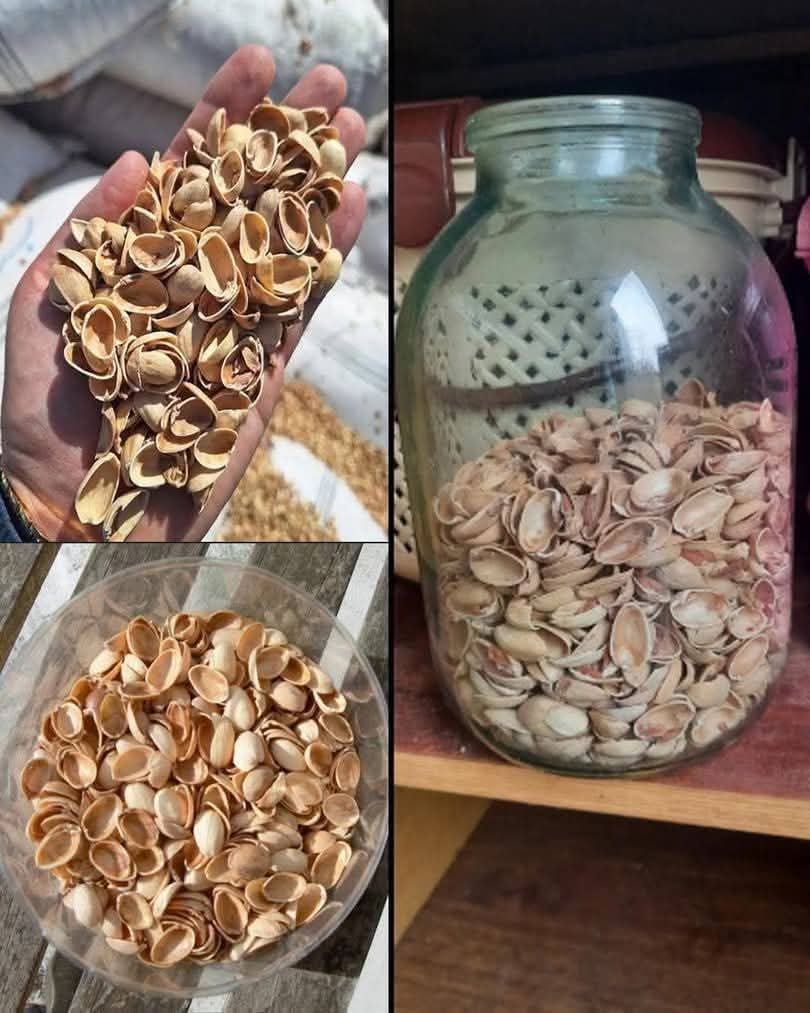
Pistachio shells are often discarded without a second thought, yet they can become a valuable, zero-waste resource in the garden. When properly cleaned and ground into powder, these shells help improve soil structure, support plant growth, repel pests, and reduce household waste. This guide explains exactly how to prepare pistachio shells and use them safely and effectively in your garden.
Introduction
Gardeners are increasingly looking for natural, low-cost ways to improve soil health and reduce waste. Pistachio shells, though tough and slow to decompose, are rich in minerals and ideal for long-term soil improvement. Once crushed into powder, they become versatile, easy to apply, and suitable for many types of plants, from houseplants to vegetables.
Why You’ll Love This Method
It reduces kitchen waste in a practical way.
It improves soil drainage and aeration naturally.
It adds slow-release minerals to the soil.
It helps deter common garden pests without chemicals.
It costs nothing and works with most plant types.
Materials Needed
Used pistachio shells
Warm water
A bowl for soaking
A towel or tray for drying
A mortar and pestle, rolling pin, blender, or food processor
A dry jar or container for storage
Step 1: Clean the Pistachio Shells Properly
Cleaning is essential, especially if the shells came from roasted or salted pistachios.
Rinse the shells thoroughly under warm water.
Soak them in hot water for 20 to 30 minutes to remove salt and residue.
Rinse again until the water runs clear.
Spread the shells on a towel or tray and allow them to dry completely, preferably in sunlight for one to two days.
Never use salty shells directly in soil, as salt can damage plant roots and inhibit growth.
Step 2: Crush and Grind the Shells Into Powder
Grinding the shells unlocks their full potential in the garden.
Break the dried shells into smaller pieces using a rolling pin or by hand.
Transfer the pieces to a blender, grinder, or food processor.
Pulse until you reach the desired texture. A fine powder is best for soil mixing, while a coarse powder works well for drainage and mulch.
Store the powder in a dry, airtight container.
How to Use Pistachio Shell Powder in Your Garden
Improve Soil Aeration and Drainage
Powdered shells create small air pockets in the soil, allowing roots to breathe and excess water to drain.
Mix one to two handfuls into potting soil.
Add a thin layer at the bottom of pots.
Combine with compost to reduce soil compaction.
This is especially helpful for succulents, herbs, tomatoes, and houseplants.
Boost Soil Minerals Naturally
Pistachio shells contain calcium, potassium, and phosphorus, which support root strength, flowering, and overall growth.
Mix the powder into soil during planting.
Sprinkle a small amount around the base of plants once a month.
Combine with compost or compost tea for a gentle mineral boost.
Use as Natural Mulch
Coarsely ground shells can act as a light mulch.
They help retain moisture, reduce weed growth, and protect roots from heat.
Apply a thin layer around plants, keeping it slightly away from the stem.
Repel Slugs, Ants, and Other Pests
The dry, sharp texture of crushed shells discourages soft-bodied pests.
Sprinkle around the base of plants.
Create protective rings around vegetables.
For added effect, combine with cinnamon powder.
Improve Compost Structure
Pistachio shell powder improves airflow and prevents compost from becoming dense or soggy.
Add one to two cups of crushed shells to each compost layer.
Avoid adding whole shells, as they take too long to break down.
Support Strong Seedlings
In small amounts, shell powder helps young plants develop stronger roots.
Mix a teaspoon into seed-starting soil.
Use sparingly around new sprouts.
Tips for Best Results
Always use clean, fully dried shells.
Apply in small quantities, as overuse is unnecessary.
Use finer powder for small pots and seedlings.
Store unused powder in a dry place to prevent mold.
Storage Tips
Keep powdered shells in an airtight container.
Store in a cool, dry area away from moisture.
Properly stored powder lasts for months.
FAQs
Can I use roasted pistachio shells
Yes, but only after thorough washing and drying to remove all salt.
Are pistachio shells safe for all plants
Yes, when used in moderation and properly prepared.
How often should I apply shell powder
Once a month is sufficient for most plants.
Can I use whole shells instead of powder
Whole shells decompose very slowly and are best avoided in pots or small gardens.
Conclusion
Pistachio shells may seem insignificant, but with a little preparation, they become a powerful gardening ally. By turning them into powder, you enrich soil, protect plants, improve drainage, and reduce waste at the same time. This simple zero-waste habit transforms everyday leftovers into long-term benefits for your garden and the environment.