
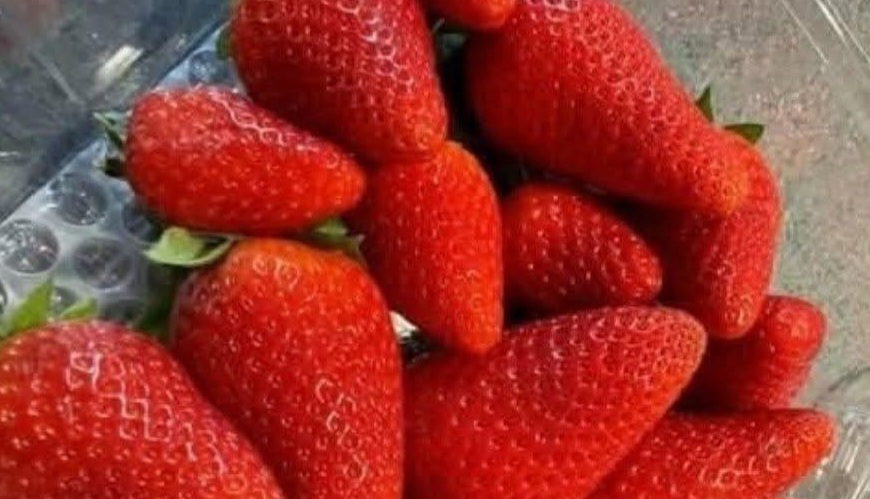
How to Keep Strawberries Fresh Longer: 7 Proven Tips to Prevent Mold and Spoilage
Strawberries are one of the most popular fruits in the world, loved for their natural sweetness, vibrant color, and versatility in desserts, smoothies, and healthy snacks. The problem most people face is that strawberries spoil quickly. Mold and soft spots can appear in just a day or two if they are not stored properly. Learning how to store strawberries the right way can make them last longer, reduce food waste, and save money.
This guide explains why strawberries go bad so fast and shares seven expert-approved storage methods to extend their shelf life. Whether you want to refrigerate, freeze, or keep them fresh for a party, these tips will help you enjoy strawberries longer.
Why Do Strawberries Spoil So Quickly?
Strawberries are delicate fruits with high water content and thin skins, which make them more vulnerable to mold and bacterial growth. Here are the main reasons they deteriorate so fast:
- High moisture content: Extra water creates the perfect environment for mold.
- Thin and fragile skin: Even small bruises accelerate decay.
- Ethylene gas sensitivity: Storing strawberries near bananas, apples, or avocados makes them ripen and spoil faster.
By understanding these factors, you can take the right steps to slow down spoilage and keep strawberries fresh longer.
7 Ways to Keep Strawberries Fresh Longer
1. Do Not Wash Until Ready to Eat
Moisture is the number one reason strawberries develop mold. Keep strawberries dry until you are ready to eat them. When it is time to rinse, use cold water and consider adding a small splash of white vinegar to kill bacteria.
2. Use a Dry, Breathable Container
Strawberries need air circulation to stay fresh. Line a shallow container with paper towels to absorb excess moisture and place the strawberries in a single layer. Choose a container with ventilation holes or leave the lid slightly open. Avoid sealed plastic bags because they trap humidity and encourage mold.
3. Refrigerate at the Right Temperature
The refrigerator slows down mold growth, but storage temperature matters. Keep strawberries in the crisper drawer at 32–36°F (0–2°C). Avoid the coldest areas of the fridge where strawberries can freeze and lose their texture.
4. Freeze for Long-Term Storage
If you buy strawberries in bulk, freezing them is the best way to prevent waste. Wash and dry the berries completely, remove the stems, and arrange them in a single layer on a baking sheet. Once frozen, transfer them to an airtight freezer-safe bag. Frozen strawberries last more than 6 months and are perfect for smoothies, sauces, and baked desserts.
5. Keep Strawberries Whole, Not Sliced
Cut strawberries release juices that create the perfect environment for bacteria. To keep them fresh, store them whole and slice them only when you are ready to serve.
6. Remove Spoiled Berries Immediately
One moldy strawberry can quickly affect the entire container. Check your strawberries daily and remove any soft, mushy, or moldy ones as soon as possible to prevent contamination.
7. Try a Vinegar Soak for Extra Protection
A vinegar bath can help extend the shelf life of strawberries. Mix 1 part white vinegar with 3 parts water and soak the berries for 5 minutes. Rinse thoroughly with fresh water, dry completely, and store in a breathable container in the fridge. Vinegar reduces mold spores and kills surface bacteria.
How Long Do Strawberries Last?
- At room temperature: 1–2 days
- In the refrigerator: 5–7 days when kept dry and whole
- In the freezer: 6 months or longer when stored properly
Bonus Tip: Reviving Wilted Strawberries
If strawberries start looking dull or slightly soft, soak them in ice water for 10–15 minutes. This process helps restore firmness and improve texture, making them more enjoyable to eat fresh.
Final Thoughts on Storing Strawberries
Strawberries are delicate, but with the right storage methods, you can extend their shelf life and keep them tasting sweet and juicy for longer. The key is to minimize moisture, provide proper airflow, and use a vinegar soak when needed. Whether you are enjoying them fresh, storing them for later, or freezing them for smoothies, these strategies will help you prevent mold and spoilage.
By applying these expert tips, you can enjoy strawberries for up to a week in the refrigerator and over six months in the freezer, all while reducing waste and saving money.