
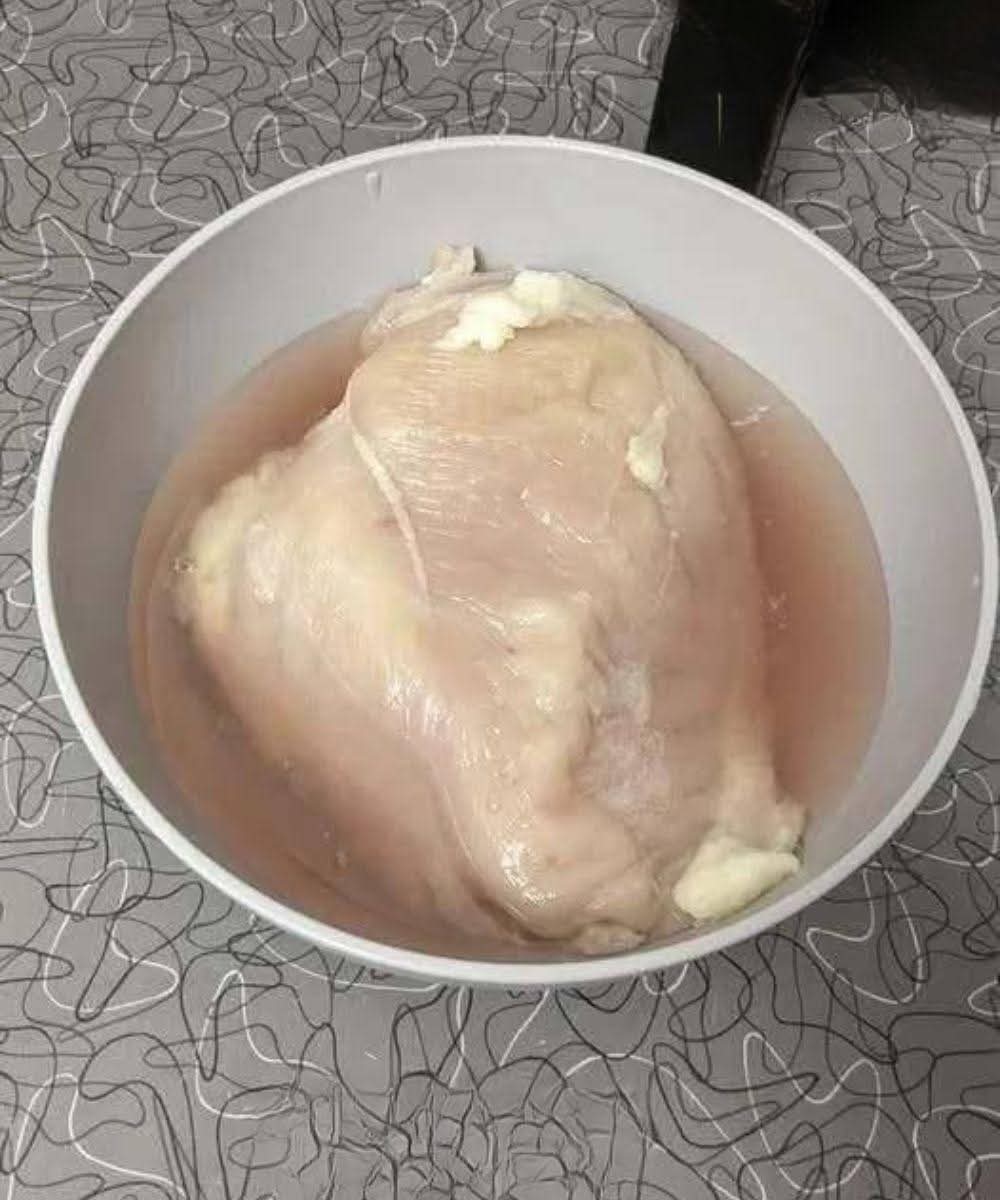
Understanding the “Danger Zone”
The danger zone is the temperature range between 40°F–140°F (4°C–60°C).
In this range, bacteria can grow very quickly — doubling every 20 minutes in good conditions.
That’s why leaving cooked chicken out too long can become unsafe, even if it smells or looks fine.
Why Chicken Needs Extra Care
Chicken is one of the easiest foods for bacteria to grow on because:
- It naturally carries bacteria that must be fully cooked to destroy.
- After cooking, it can be contaminated again by surfaces, utensils, or even the air.
- Some bacteria produce toxins that reheating cannot destroy.
How Long Can Cooked Chicken Stay Out?
According to standard food safety guidelines:
| Situation | Safe Time at Room Temperature |
|---|---|
| Cooked chicken | Up to 2 hours |
| Hot weather (over 90°F / 32°C) | Only 1 hour |
If chicken stays out longer than that, it should be thrown away.
You can’t rely on smell, color, or texture to judge safety — dangerous bacteria often leave no signs.
Refrigeration Rules
To keep leftovers safe:
- Refrigerate chicken within 2 hours of cooking.
- Use shallow, airtight containers to help it cool quickly.
- Eat refrigerated chicken within 3–4 days.
- If you won’t eat it soon, freeze it — freezing stops bacteria from growing.
What About Reheating?
Reheating kills some bacteria, but not always their toxins, especially heat-stable ones.
If you reheat chicken, make sure it’s steaming hot all the way through, but remember:
Once toxins have formed, reheating won’t make it safe again.
When Should You Throw Chicken Away?
Throw it out if:
- It sat out for more than 2 hours (or 1 hour in hot conditions)
- You’re unsure how long it was out
- It smells weird or feels slimy
- It was stored incorrectly
Bottom Line
Cooked chicken is safe only when kept out for under 2 hours and stored properly.
Chicken spoils faster than many foods, so when in doubt, don’t risk it — throw it away.