
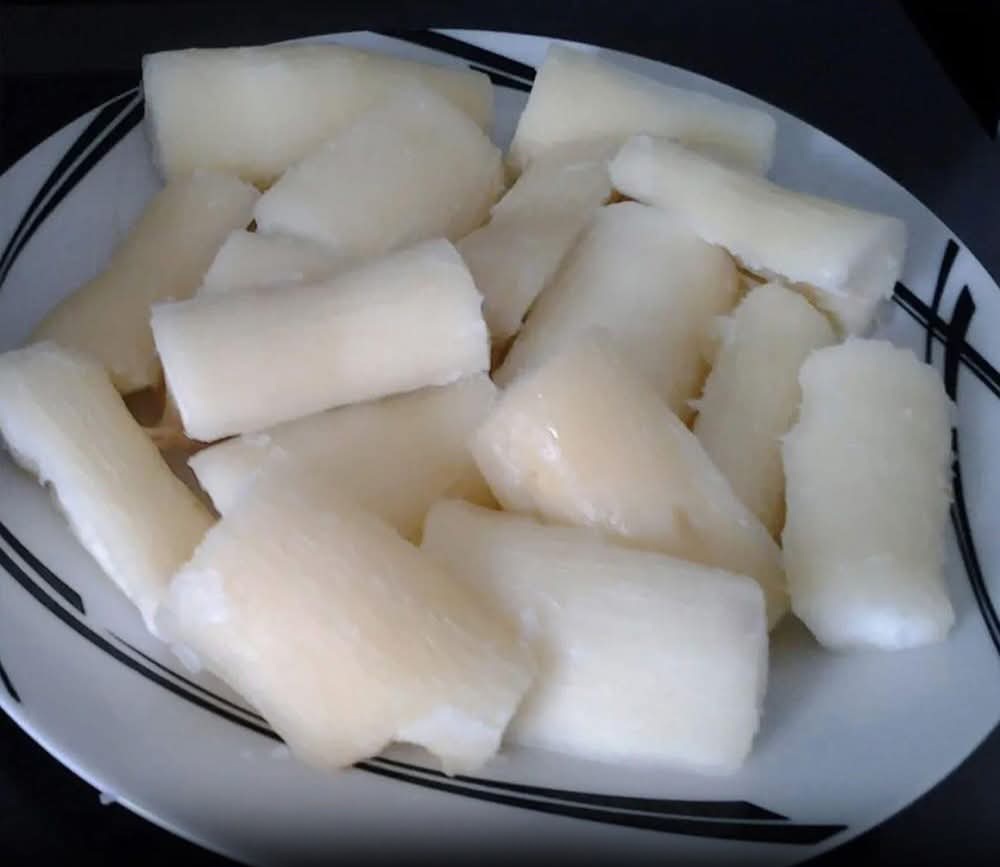
Description
Cassava is one of the most important food crops on Earth. It feeds hundreds of millions of people and supports entire economies, yet when prepared incorrectly, it can be deadly. This article explores why cassava carries such risk, how it harms the human body, and why it remains essential despite the danger.
Introduction
It feeds millions. It fuels economies. It appears on plates across Africa, South America, and the Caribbean. Yet this common root vegetable has earned the chilling nickname of “the world’s deadliest food.” Cassava is a dietary lifeline for nearly 500 million people, but every year, more than 200 deaths are linked to cassava poisoning, with thousands more suffering lifelong neurological damage. How can a single food be both a savior and a silent threat?
What Is Cassava
Cassava, also known as yuca and not to be confused with the ornamental yucca plant, is a drought-resistant root vegetable originally from South America. It is rich in carbohydrates and thrives in harsh environments where other crops fail, making it indispensable in regions facing food insecurity.
There are two main types of cassava. Sweet cassava contains relatively low toxin levels and is safe with normal cooking. Bitter cassava contains much higher levels of toxic compounds and requires extensive processing before consumption.
Many familiar foods are derived from cassava, including tapioca pearls, garri, fufu, and cassava flour.
Why Cassava Can Be Dangerous
The danger of cassava lies in its natural chemistry. Bitter cassava contains cyanogenic glycosides, mainly a compound called linamarin. When the root is peeled, grated, or chewed, this compound can release hydrogen cyanide, a highly toxic substance.
If cassava is eaten without proper processing, it can cause acute cyanide poisoning, leading to nausea, dizziness, rapid breathing, seizures, and death within hours. Long-term exposure can result in serious neurological conditions such as konzo, a disease that causes permanent paralysis of the legs, and tropical ataxic neuropathy, which leads to vision loss, hearing problems, and coordination difficulties.
According to the World Health Organization, cassava is responsible for more cases of food-related cyanide poisoning than any other crop in the world.
How Cassava Poisoning Happens
Cassava poisoning is rarely accidental. It usually occurs under extreme conditions where safe preparation becomes difficult or impossible. During droughts or famines, cassava is often harvested too early, when toxin levels are highest. Water shortages can prevent soaking and fermentation, which are essential for detoxification. Poverty and food insecurity force communities to rely heavily on cassava as a single food source, increasing risk. In emergencies, traditional preparation methods may be shortened or skipped entirely.
In these situations, families may consume cassava that has not been soaked, fermented, dried, or cooked long enough to remove the toxins.
How Cassava Is Made Safe to Eat
When prepared correctly, cassava is completely safe. Traditional processing methods developed over generations are highly effective at removing cyanide.
The root is first peeled, since most toxins are concentrated in the skin. It is then soaked in water for one to three days, allowing fermentation to break down toxic compounds. Grating and squeezing remove poisonous liquid, while sun-drying further reduces toxins. Finally, thorough cooking by boiling, roasting, or frying neutralizes any remaining cyanide.
Properly processed cassava provides energy, fiber, and small amounts of vitamin C, calcium, and B vitamins.
Why People Continue to Eat Cassava
Despite the risks, cassava remains a cornerstone of survival for millions of people. It grows in poor soil and extreme climates where other crops fail. It produces high yields at low cost and can remain underground for months, acting as a living food reserve during famine. Its versatility allows it to be turned into bread, porridge, snacks, beverages, and industrial products.
For many communities, cassava is not a preference but a necessity.
Efforts to Reduce the Risk
Scientists, governments, and agricultural organizations are working to make cassava safer. Low-cyanide varieties are being developed and distributed. Educational programs teach safe processing techniques to rural communities. Rapid testing kits are being introduced to measure cyanide levels before consumption.
In countries such as Nigeria, the world’s largest cassava producer, large-scale industrial processing is encouraged to ensure safer, standardized cassava products.
Final Thoughts
Cassava is a food of contradictions. It sustains life while carrying the potential to take it away. It feeds nearly half a billion people, yet still causes preventable deaths every year. The true tragedy is not cassava itself, but the lack of resources and education that make safe preparation difficult for vulnerable populations.
Behind every cassava-based dish lies a story of survival, culture, and resilience. When handled with knowledge and care, this powerful root transforms from poison into nourishment.