
Introduction
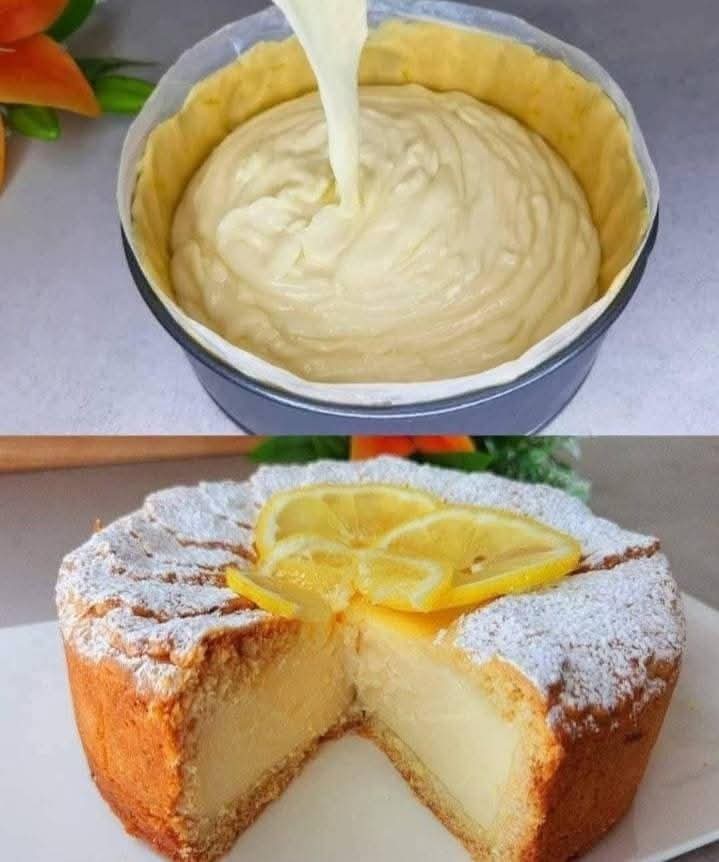
Lemon cake is one of those timeless desserts that brings brightness and joy to any occasion. Its fresh citrus aroma, tender crumb, and lively flavor make it a favorite for celebrations, afternoon gatherings, birthday parties, or even simple weekday treats. This guide walks you through every step of making a perfect lemon cake, from understanding the ingredients to mastering the mixing process, choosing your favorite variation, storing it properly, and solving common baking issues. Whether you’re a beginner or an experienced baker, this guide will help you achieve a beautifully moist and flavorful lemon cake every single time.
Table of Contents
Ingredients
Equipment Needed
Step-by-Step Instructions
Variations of Lemon Cake
Storage and Serving Suggestions
Nutritional Information
FAQs
Conclusion
1. Ingredients
Basic Ingredients
To achieve the classic lemon cake flavor and soft texture, you’ll need the following:
2 cups all-purpose flour
1 ½ cups granulated sugar
½ cup unsalted butter, softened to room temperature
1 cup milk
4 large eggs
1 tablespoon finely grated lemon zest
¼ cup freshly squeezed lemon juice
2 teaspoons baking powder
1 teaspoon vanilla extract
½ teaspoon salt
These ingredients create the perfect balance of sweetness, acidity, and structure. Lemon zest especially provides an intense citrus aroma that elevates the cake’s overall flavor.
Optional Add-Ins and Variations
If you want to personalize your lemon cake, here are some enhancements:
For deeper flavor: Add ½ teaspoon almond extract or 1 tablespoon poppy seeds.
For fruit lovers: Add blueberries, raspberries, blackberries, or chopped strawberries.
For frosting: Try cream cheese frosting, lemon buttercream, vanilla frosting, or a simple lemon glaze made with powdered sugar and lemon juice.
2. Equipment Needed
Baking Tools
To prepare the cake smoothly, gather the following tools before starting:
Mixing Bowls
A large bowl for the main batter and a smaller one for dry ingredients.
Electric Mixer
A stand mixer or hand mixer is ideal for creaming the butter and sugar until fluffy.
Cake Pans
Two 8-inch or 9-inch round pans work well, or you can use a single rectangular pan.
Spatula
For scraping the sides of the bowl, folding ingredients, and spreading frosting.
Cooling Rack
Allows air to circulate around the cake to cool it evenly and prevent sogginess.
3. Step-by-Step Instructions
Preparing Your Workspace
Preheat your oven to 350°F (175°C).
Prepare your cake pans by greasing them with butter and lightly dusting with flour, or lining them with parchment paper. Proper preparation ensures the cakes release smoothly after baking.
Mixing the Batter
In a large mixing bowl, cream together the softened butter and granulated sugar. Beat for 3–4 minutes until light, pale, and fluffy. This step incorporates air into the batter, which helps the cake rise beautifully.
Add the eggs one at a time, mixing thoroughly after each. This prevents curdling and keeps the batter smooth.
Mix in the lemon zest, lemon juice, and vanilla extract. These add brightness and aroma.
In a separate bowl, whisk the flour, baking powder, and salt until evenly combined.
Gradually add the dry ingredients to the wet mixture, alternating with the milk. Begin with flour, add half the milk, more flour, remaining milk, and finish with the last portion of flour. Mix just until combined. Overmixing can make the cake dense instead of soft.
Baking the Cake
Pour the batter into the prepared pans and tap them gently on the counter to remove air bubbles.
Bake in the preheated oven for 25–30 minutes, or until a toothpick inserted into the center comes out clean.
When done, the cake should appear lightly golden and begin pulling away from the edges of the pan.
Cooling and Frosting
Allow the cakes to cool in the pans for 10 minutes, then transfer them carefully onto a cooling rack.
Let them cool completely before applying any frosting—warm cakes will melt the icing and cause it to slide off.
Choose your frosting: lemon buttercream, cream cheese frosting, or a simple glaze. Spread evenly over one layer, place the second cake on top, and finish frosting the entire cake.
Garnish with lemon zest, thin lemon slices, or fresh berries.
4. Variations of Lemon Cake
Lemon Blueberry Cake
Fold 1 cup of fresh or frozen blueberries into the batter. If using frozen, do not thaw them—this prevents the batter from turning purple.
Lemon Poppy Seed Cake
Add 1–2 tablespoons of poppy seeds to the batter for a delightful crunch and a bakery-style result.
Gluten-Free Lemon Cake
Replace the all-purpose flour with a gluten-free flour blend that includes xanthan gum. The texture will remain soft and moist.
5. Storage and Serving Suggestions
Store leftover lemon cake in an airtight container at room temperature for up to 3 days, or refrigerate for up to 1 week.
To freeze the cake, wrap individual slices or whole layers tightly in plastic wrap and foil. Thaw overnight in the refrigerator before serving.
Serve lemon cake with fresh berries, whipped cream, or a scoop of vanilla or lemon ice cream for a beautiful dessert presentation.
6. Nutritional Information
Serving size: 1 slice (1/12 of cake)
Calories: ~250
Protein: 4g
Carbohydrates: 38g
Fat: 10g
Sugar: 16g
Nutritional values may differ based on frosting choice, optional add-ins, and portion size.
7. FAQs
Can I use bottled lemon juice instead of fresh?
Fresh lemon juice gives the best flavor, but bottled juice works if needed. Expect a slightly milder taste.
How do I know when the cake is done?
Insert a toothpick into the center. If it comes out clean or with a few crumbs, the cake is ready.
Can I make cupcakes instead of a full cake?
Absolutely! Reduce baking time to about 15–18 minutes.
Can I freeze the lemon cake?
Yes. Wrap tightly in plastic and foil. Freeze for up to 3 months.
How can I make the cake extra moist?
Add 2 tablespoons of sour cream or yogurt to the batter for a richer crumb.
8. Conclusion
Making a perfect lemon cake is easier than it seems when you follow the right steps. With its moist texture, bright citrus flavor, and endless variety options, lemon cake remains one of the most loved desserts for every season. Whether you enjoy it plain, filled with berries, or topped with lemon frosting, this cake is sure to impress family and guests alike. Feel free to experiment with flavors, adjust sweetness, and explore different add-ins until you create a version that becomes your signature dessert.